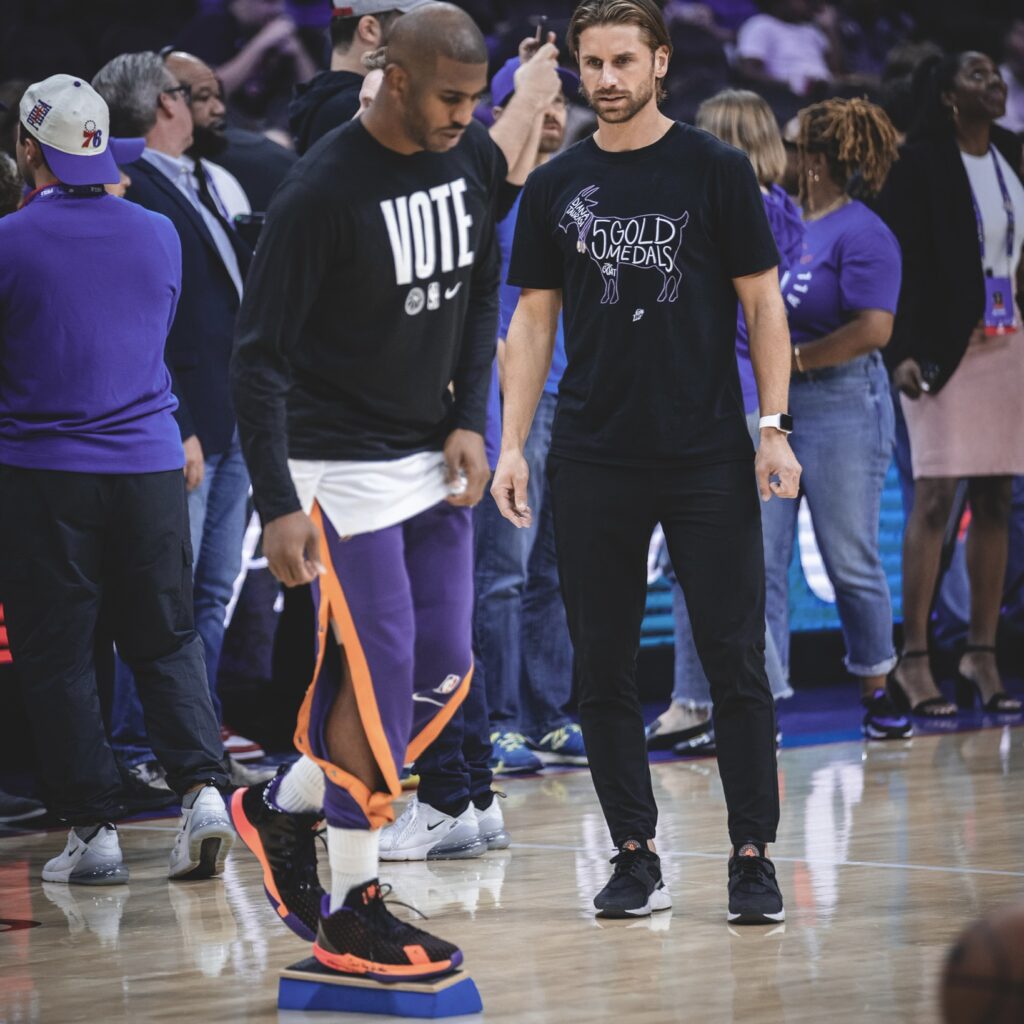
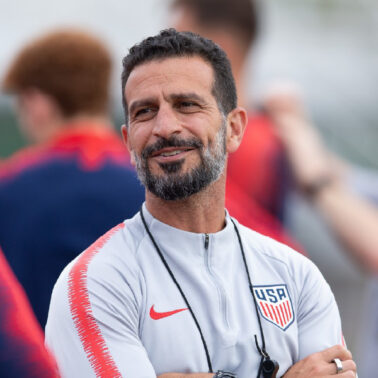
“The future of high performance isn’t just about data, it’s about translating science into human connection.” — Dr. Garrison Draper
What You Will Learn
- Why data-driven sports science is transforming athlete care and recovery.
- How communication and culture drive longevity beyond technology.
- Practical lessons from MLS that redefine performance and health.
Introduction
In elite sport, the margins between success and failure are microscopic. Recovery is no longer about ice baths and rest days. It’s a data-driven discipline. In this episode of the Finding Small Wins podcast, I sat down with Dr. Garrison Draper, Vice President of Sport Performance & Health for FC Cincinnati and co-founder of the Professional Soccer Performance Association (PSPA).
Dr. Draper holds a PhD in Sports Science and has spent his career shaping the performance cultures of MLS teams such as the Seattle Sounders, Inter Miami, and now FC Cincinnati. His journey from athlete to scientist to executive has been defined by one mission: to make performance human again.
We discussed how technology, communication, and leadership intersect to extend athlete longevity, prevent burnout, and create sustainable success.
Guest Background: Dr. Garrison Draper
Garrison’s path began like many great sports scientists as an athlete fascinated by why the body adapts. He joined the Seattle Sounders, then Inter Miami, where he helped build performance systems around global icons like Lionel Messi. Today, as VP of Sport Performance & Health at FC Cincinnati, Draper oversees an integrated department of medical, performance, data, and recovery specialists.
He is also the co-founder of the Professional Soccer Performance Association, a global network for practitioners dedicated to advancing research and collaboration in sport. Draper’s philosophy merges hard science with empathy using technology not to replace coaches, but to empower them.
1. Redefining Sports Science: More Than Numbers
“If the data doesn’t start a conversation, it’s just noise.” — Dr. Garrison Draper
The biggest misconception about sports science is that it’s about numbers. Draper reframes it as a language of communication. GPS data, heart-rate monitors, and force-plate metrics mean nothing without context.
He stresses that data must bridge the gap between athlete and coach not widen it. When data becomes dialogue, it humanizes training. Coaches learn how individual athletes respond to stress; athletes learn to understand their own physiology.
In practice, Draper’s teams use data storytelling translating complex metrics into clear narratives that shape training loads, recovery sessions, and even culture. It’s science in service of human connection.
2. Lessons from Messi and Miami: Culture Over Code
“You can’t out-tech culture.” — Dr. Garrison Draper
Working with global superstars taught Draper that performance is cultural before it’s technical. At Inter Miami, managing players of different backgrounds required empathy, translation, and understanding.
Sports science succeeds only when it respects context: climate, travel, schedule, and personality. Draper notes that Messi’s success comes not from data alone, but from how environments are built around communication and trust.
His takeaway is technology is only as effective as the relationships it supports.
3. Load Management vs. Performance Capacity
“Load management is not about doing less. It’s about doing enough with precision.” — Dr. Garrison Draper
The phrase “load management” has become polarizing in sports. Draper reframes it as capacity management. Instead of reducing workload, his staff focuses on building the tissue, psychological, and aerobic capacity needed to sustain performance.
By quantifying internal load (heart rate variability, readiness) and external load (distance, sprints, accelerations), FC Cincinnati builds individualized “performance profiles.” These profiles help forecast fatigue and optimize recovery windows, not to rest players unnecessarily, but to keep them available longer.
4. The Future of Performance: Integrated Systems
“The best departments don’t add more people, rather they add better systems.” — Dr. Garrison Draper
Modern teams are moving from silos to systems. Draper envisions interdisciplinary departments where medical, strength, psychology, and analytics work under one unified framework.
We review how to integrate data from force plates, GPS, nutrition, and recovery into actionable strategies. These conversations ensure that every stakeholder from coach, therapist, to scientist is aligned.
The result: athletes experience seamless care.
5. Longevity Through Education and Empathy
“The athlete of tomorrow will be their own scientist.” — Dr. Garrison Draper
Athlete longevity isn’t achieved through supplements or cryotherapy; it comes from education. Draper’s approach is to teach athletes to interpret their own data including heart-rate trends, sleep metrics, or recovery scores so they can self-regulate.
He believes ownership breeds sustainability. When athletes understand why recovery matters, compliance becomes intrinsic, not enforced.
This philosophy extends beyond MLS and it’s a model for the next generation of sport where empowerment replaces dependency.
Conclusion: The Small Win
The small win is recognizing that sports science isn’t a department.
Dr. Garrison Draper reminds us that precision doesn’t replace passion; it refines it. By integrating data, empathy, and communication, teams can build environments that sustain both performance and people.
5 Actionable Takeaways
- Use data to start conversations, not end them.
- Prioritize culture over technology in performance environments.
- Think capacity management, not load reduction.
- Integrate departments through systems and shared language.
- Educate athletes to be autonomous scientists of their own bodies.
Episode Timeline
- 00:00 – 04:00 Garrison’s path from college athlete to sports scientist.
- 05:00 – 09:00 Why data is a language, not a verdict.
- 12:00 – 18:00 Stories from Inter Miami and building trust with superstars.
- 20:00 – 25:00 Reframing load management as capacity building.
- 27:00 – 34:00 The rise of integrated performance departments.
- 36:00 – 41:00 Education as the foundation of athlete longevity.
- 42:00 – 45:00 Closing reflections on connection and culture.
Listen to the Full Episode Here

Read More Like This