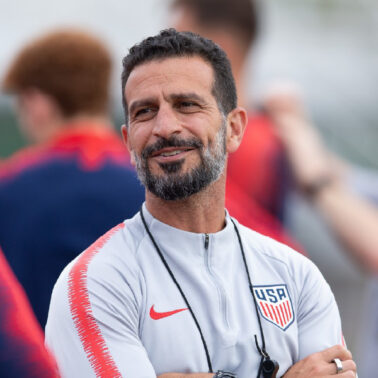
“If we can fix the hell month of high school soccer and invest in smarter youth development, we’ll change kids’ lives and fix this youth soccer development problem.” — Dr. Matt Midkiff
What You Will Learn
- Why communication between PTs, coaches, and parents shapes youth athlete success.
- How overtraining and pay-to-play models harm development and drive injury rates.
- What practical steps can make youth soccer safer and more sustainable.
Introduction
As a physical therapist, coach, and former player, Dr. Matt Midkiff has seen youth soccer from every angle. In this episode of the Finding Small Wins podcast, I sat down with Matt to explore how the structure of youth soccer from club systems to parental expectations is shaping not only how young athletes perform, but how they get hurt.
The youth soccer landscape in America is booming, yet beneath the surface lies a fragile infrastructure. Kids are playing more than ever but developing less. ACL tears are common, overtraining is normalized, and coaches, parents, and therapists often operate in silos instead of in collaboration.
In this episode, we unpack how to fix that. From communication breakdowns to the “pay-to-play” paradox, Matt shares how better alignment between stakeholders parents, coaches, medical professionals can build smarter, healthier athletes who love the game longer.
Guest Background: Matt Midkiff
Dr. Matt Midkiff’s journey is far from linear. A collegiate soccer player turned coach turned physical therapist, he found his calling merging his passion for the sport with his clinical expertise. Based in Arizona, Matt has built a practice that blends physical therapy, performance training, and injury prevention for youth athletes.
His story from rebuilding club teams in Phoenix to coaching ODP camps and launching performance programs during PT school shapes his holistic view of development. Matt isn’t just treating injuries; he’s teaching athletes, parents, and coaches how to communicate better and train smarter. That unique bridge between the field and the clinic is what makes his message so vital for today’s soccer community.
The Missing Link in Youth Soccer: Collaboration
“All the shareholders including the PT, the coach, the parents, the doctor, the athlete must collaborate if we want to see success.”
Matt argues that the biggest gap in youth sports isn’t physical; it’s relational. The lack of communication between medical providers, coaches, and parents creates confusion and inconsistent training loads.
When one side pushes for return-to-play and another is unaware of limitations, athletes end up rushed, underprepared, or reinjured. His call to action is simple:
- Build consistent communication pipelines between all stakeholders.
- Use shared language about progress and capacity.
- Prioritize athlete well-being over timelines.
As Matt shared, collaboration isn’t complicated. It just requires humility and consistency. And in today’s youth sports culture, those are often the rarest skills.
2. The Pay-to-Play Paradox
“The pay-to-play model pressures parents, coaches, and kids to do more often at the expense of health.”
In Europe, talent drives opportunity. In America, money often does. The pay-to-play model has turned youth soccer into a business where playing time, exposure, and perceived value are influenced by how much parents can invest.
Matt breaks it down plainly: higher fees create higher expectations. Parents push for playing time to justify costs, coaches overuse star players to keep rosters happy, and young athletes end up overloaded—physically and emotionally.
The result?
- Increased overtraining and chronic fatigue.
- Rising ACL and overuse injuries.
- Reduced enjoyment of the sport.
The long-term consequence is systemic: a narrower, less diverse talent pool, leaving many gifted kids priced out or burned out before high school ends.
3. The High School-Club Collision
“Every year, November becomes the ‘hell month’ where too many practices, too many games, too little recovery.”
Matt points to a uniquely American problem: the overlapping of club and high school seasons. During November, athletes may train or compete up to nine times per week, bouncing between two different coaching philosophies and competition schedules.
Without communication between programs, the result is predictable due to fatigue, under-recovery, and injury spikes. In Arizona alone, Matt reports an increase in ACL injuries during this high-volume crossover.
His proposed solution is structural: alternating training days between high school and club, reducing total load, and creating statewide or regional guidelines that prioritize athlete health over competition volume.
Until collaboration replaces ego, he warns, “we’ll keep breaking the same kids year after year.”
4. The Parent-Coach-Player Dynamic
“Even the worst day your kid plays, watching them do what they love is still the best thing.”
As both a coach and parent of three players, Matt’s perspective is refreshingly balanced. He admits that parental emotion often clouds judgment. But what kids need most isn’t more pressure rather it’s clarity, communication, and consistency.
Parents, he suggests, should focus less on minutes played and more on quality of play, physical health, and joy in the game. For coaches, it’s about maintaining open dialogue and setting clear boundaries around rest, recovery, and readiness.
It’s a reminder that the youth model isn’t just about developing players it’s about developing people.
5. Building a Better System
“If we invest in younger athletes now, we’ll have healthier national teams later.”
Looking ahead, Matt’s vision for the next five years in youth soccer blends practicality with optimism. His wish list includes:
- A return to school-year age groups to restore social and developmental alignment.
- Public and private sponsorships that make elite training more accessible.
- A stronger pipeline between PTs and coaches for coordinated injury prevention.
- Earlier introduction of strength and movement education for young girls to close injury gaps.
He compares the current soccer crisis to youth baseball’s over-pitching epidemic that is an overuse problem created by poor systems, not bad kids. “The body has limits,” he says, “and if we keep pushing beyond them, we’ll lose more than just games, we’ll lose careers.”
Conclusion: The Small Win
Youth soccer doesn’t need more talent rather it needs better balance. The small win, as Matt puts it, is collaboration. When coaches, parents, and providers align their intentions, young athletes stay healthy, confident, and competitive.
5 Actionable Wins
- Think long-term. Build systems that value player longevity over short-term wins.
- Communicate early and often. Create a shared dialogue between PTs, coaches, and parents.
- Manage total volume. Balance training and games across school and club seasons.
- Educate parents. Redefine success as development, not constant playtime.
- Invest in prehab. Prioritize neuromuscular training, especially for female athletes.
Listen to the Full Episode Here

Episode Timeline
- 00:00–04:00 — Matt’s journey from college player to physical therapist.
- 08:00–12:00 — Why collaboration is the missing link in youth sports.
- 15:00–20:00 — The impact of pay-to-play and how it shapes injury risk.
- 24:00–31:00 — The “hell month” of November and the high school–club overlap.
- 35:00–39:00 — Talent paradox: why the best players often get hurt most.
- 41:00–45:00 — The call for more sponsorship and youth investment.
- 46:00–47:00 — Matt’s final message: youth development is everyone’s job.