Approximate Read Time: 15 minutes
“Stem cell recovery isn’t about doing more, rather it’s about doing what matters most for your biology by choosing the right tool for the job.”
What You Will Learn
- How the Recovery ROI Index works — the scoring and logic behind Effectiveness × Practicality.
- Why inflammation control defines stem-cell success — understanding pre- and post-treatment physiology.
- Which recovery tools truly deliver — the Foundational, High-Value, Specialty, and Perceptual categories decoded.
Read the Full Article to Download the Complete Recovery ROI INdex
The Problem with “More”
The modern recovery marketplace is crowded. Every clinic, every influencer, every athlete claims a secret weapon such as compression boots, red light, or cryo chambers. But recovery is not about collecting gadgets. It’s a system of biology, and biology rewards precision over volume.
When I built the Recovery ROI Index, my goal was to translate physiology into a decision-making system. One that blends the measurable impact of a modality with its real-world practicality. Because in both elite sport and regenerative medicine, consistency trumps novelty. The athlete who sleeps well every night outperforms the one who cold-plunges once a week.
Quantifying Recovery’s Return on Investment
Every recovery method is evaluated by two key scales in the Recovery ROI Index:
- Effectiveness / ROI Scale (1–5): How much physiological change occurs such as reductions in inflammation, improvements in HRV, faster tissue repair.
- Practicality / Accessibility Scale (1–5): How realistic and sustainable it is including considering time, cost, and availability.
Plot these together and you create a simple but powerful matrix dividing all recovery tools into four categories:
| Category | Core Trait | Examples |
|---|---|---|
| 🔑 Foundational | High effectiveness + high accessibility | Sleep, Nutrition, Zone 1-2 Conditioning, Breathwork |
| 🏆 High-Value | Strong impact + moderate cost | Sauna, Cold Plunge, Massage, Red Light |
| 💭 Perceptual | Mental benefit > physiologic impact | Compression, Cupping, Vibration |
| 🎯 Specialty | Advanced science, low accessibility | HBOT, IV Therapy, PEMF, Float Tank Recovery ROI Index |
This system forces clarity. Instead of asking, “What’s trendy?” you ask, “What’s worth repeating?”
The goal is not to add more tools but to identify the ones that deliver the highest return on consistency and commitment.
Recovery as a Prerequisite for Regeneration
Stem-cell therapy is often imagined as a singular event such as the infusion, the injection, the “moment of healing.” In reality, it’s a biological sequence. The cells you receive are sensitive to the terrain they enter. Inflammation, oxidative stress, and autonomic imbalance can all blunt stem-cell activity.
Research from Dupuy et al., 2018 and Crane et al., 2012 confirms that modalities reducing interleukin-6 (IL-6) and C-reactive protein (CRP), two biomarkers associated with inflammation, accelerate recovery and tissue repair. In the context of regenerative medicine, those same markers dictate how effective stem cells and other orthobiologics will be.
The takeaway: before and after treatment, the body must operate in a low-inflammatory, parasympathetic-dominant state. That’s where the Recovery ROI Index provides structure.
The Four Categories Reimagined for Stem Cell Support
- Foundational Recovery
- Sleep: drives hormonal and circadian rhythm regulation; 7–9 hours at 60–67 °F
- Nutrition: adequate calorie intake, micronutrients, and sufficient protein to support tissue healing
- Zone 1-2 Conditioning improves oxygen utilization and HRV
- Breathwork: shifts the autonomic system toward recovery; box-breathing and CO₂ tolerance drills are low-cost, high-return interventions.
- High-Value Recovery
- Dry Sauna stimulates heat-shock proteins and growth-hormone release
- Cold Plunge reduces systemic inflammation and resets the parasympathetic nervous system
- Massage improves circulation and modulates inflammatory mediators
- Red Light Therapy enhances mitochondrial biogenesis and collagen formation.
- Perceptual Recovery
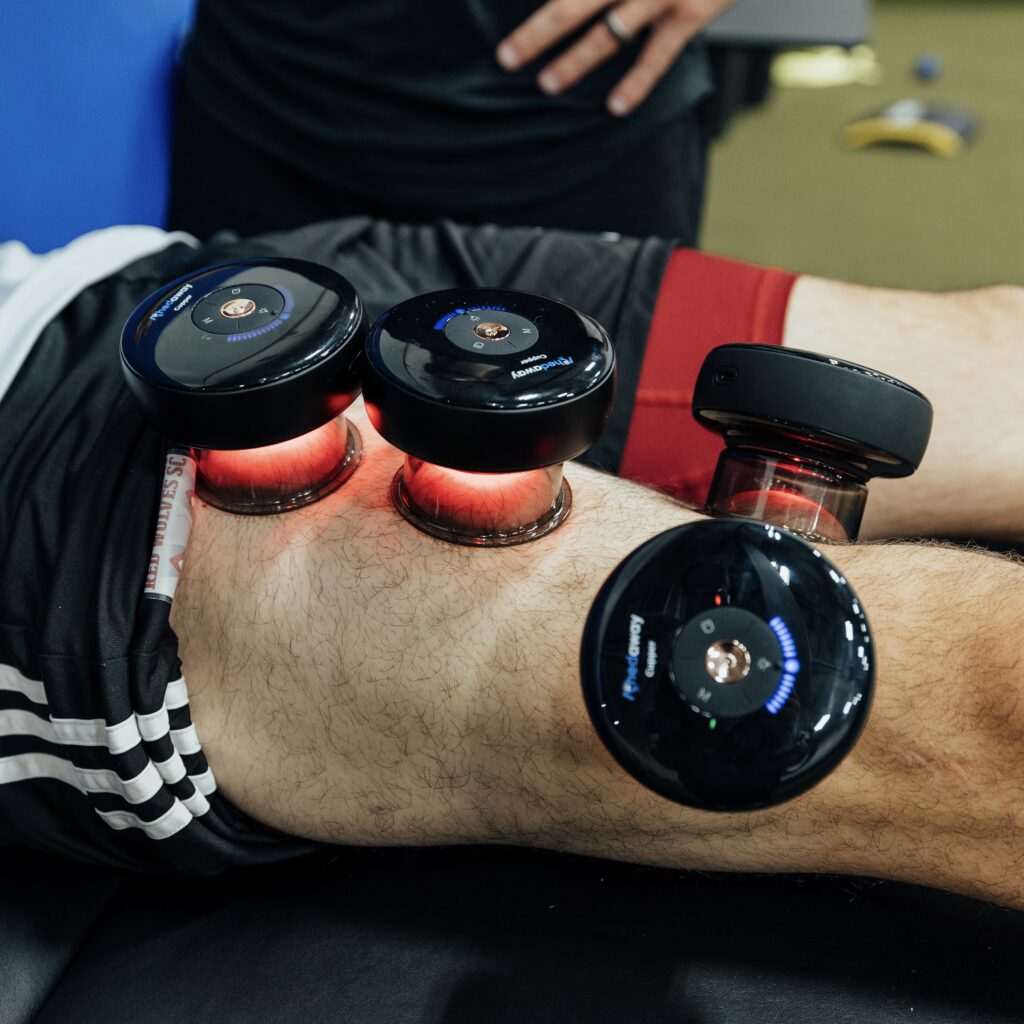
- Compression, cupping, vibration are low on physiology but high on perception. =
- Specialty Recovery: The Frontier Tools
- HBOT: the most potent oxygen therapy for reducing oxidative stress and enhancing cell viabilityRecovery ROI Index.
- IV Therapy: direct nutrient repletion to support immune function and cellular energy.
- PEMF: improves microcirculation and mitochondrial signaling.
- Float Tank: deep parasympathetic reset and cortisol reduction beneficial for pre-procedure stress managementRecovery ROI Index.
Translating the ROI Matrix into Stem Cell Precision
When applied to regenerative medicine, the Recovery ROI Index becomes a biological decision map:
| Stage | Goal | Priority Category | Example Tools |
|---|---|---|---|
| Pre-Treatment (Priming) | Reduce inflammation, stabilize circadian rhythm | Foundational + High-Value | Sleep, Breathwork, Sauna, Massage |
| During Treatment | Maintain oxygenation, minimize oxidative stress | Specialty + Foundational | HBOT, IV Therapy, Zone 1-2 Movement |
| Post-Treatment (Integration) | Support tissue repair, manage stress | Foundational + Perceptual | Nutrition, PEMF, Float Tank |
This continuum ensures recovery is sequential, not scattered such that each modality chosen for its biological compatibility with the treatment phase.
Why Inflammation Is the Gatekeeper of Regeneration
Stem cell therapy succeeds or fails based on cellular context. Mesenchymal stem cells (MSCs), exosomes, and growth factors depend on a biochemical environment that allows them to survive, signal, and differentiate. Chronic inflammation disrupts that environment through oxidative stress, cytokine imbalance, and mitochondrial dysfunction.
When systemic IL-6, CRP, and TNF-α remain elevated, stem cells adopt a defensive rather than regenerative phenotype. A primary mechanism of stem cell action is to modulate the immune system in order for the body’s own healing capabilities to occur.
Acute inflammation is necessary for repair; chronic inflammation is the barrier. The Recovery ROI Index was built on that distinction helping clinicians and patients identify which tools resolve inflammation rather than merely silence it.
The Anti-Inflammatory Hierarchy
The a recent literature review compared over 1,000 studies on recovery interventions. Its conclusion was blunt:
- Massage and Cold Exposure are the most effective methods for reducing inflammatory markers after exercise (Dupuy et al., 2018; Crane et al., 2012; Pournot et al., 2011; Junjie et al., 2025)
- Compression, Water Immersion, and Photobiomodulation show moderate yet context-dependent effects.
- Sauna, HBOT, and Float Therapy demonstrate promising but variable outcomes, often influenced by protocol (temperature, duration, and frequency, etc).
When mapped against the Recovery ROI Index, this hierarchy aligns perfectly with your scoring system: Foundational + High-Value modalities show both consistency and accessibility, whereas Specialty methods HBOT and PEMF offer potency at higher logistical cost.
Massage Therapy: Mechanical Immunomodulation
Massage’s effectiveness extends far beyond muscle relaxation. In controlled trials, mechanical pressure on soft tissue reduces IL-6 and CRP by 30–50 percent within 24 hours of exercise (Crane et al., 2012). The mechanism: mechanical shear stimulates nitric-oxide production, enhancing lymphatic drainage and accelerating macrophage clearance of debris. In other words, it helps the body clean up cellular damage faster.
In ROI terms:
- Effectiveness = 3 / 5
- Practicality = 4 / 5
- Category = High-Value
Cold Exposure
Cold immersion reduces inflammation through two complementary systems:
- Vascular Constriction → Reperfusion: constricts capillaries to limit edema, then enhances re-oxygenation upon rewarming.
- Cytokine Modulation: down-regulates IL-1β and TNF-α while up-regulating anti-inflammatory IL-10 (Pournot et al., 2011).
Optimal dosing guidelines are 50–55 °F for 2–8 minutes, ideally post-training or morning to reset autonomic balance.
Sauna
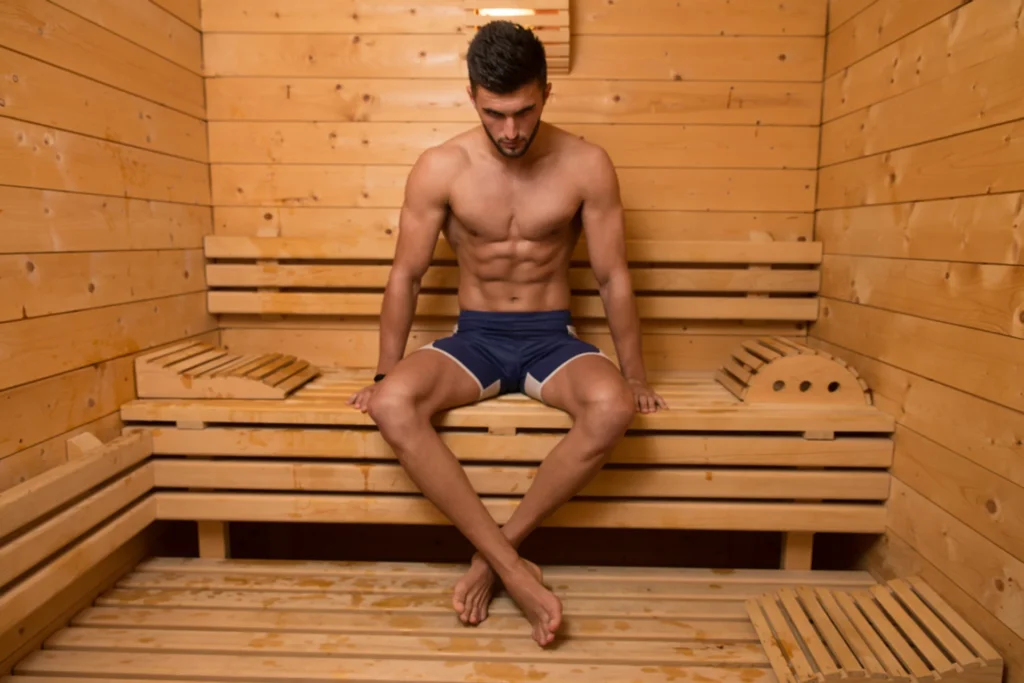
If cold tempers inflammation, heat trains resilience. Sauna sessions at 170–190 °F for 15–25 minutes induce heat-shock proteins (HSPs). These HSPs improve healing and recovery by repairing misfolded proteins and protecting the mitochondria of the cells.
Brunt et al., 2018 demonstrated that regular sauna exposure reduces oxidative stress and lowers vascular inflammation. So while sauna scores slightly below cold plunge for acute inflammatory suppression, it outperforms in long-term vascular and metabolic adaptation.
Red Light Therapy
Red (660 nm) and near-infrared (850 nm) light penetrate tissue, stimulating cell precesses within the mitochondrial electron-transport chain. The result is increased ATP – the fuel for cells.
Studies show red light therapy boosts MSC proliferation and paracrine signaling by 20–30 percent in vitro, suggesting that post-therapy red-light exposure could amplify the regenerative potential of stem cells.
In the Recovery ROI Index, red light earns a strong score with a strong effect but moderate accessibility due to equipment needs. For clinics or home users with reliable devices, it represents one of the highest-leverage Specialty-High-Value hybrids available.
Hyperbaric Oxygen Therapy (HBOT)
HBOT exposes the body to 1.3–2.5 ATA of oxygen, dramatically increasing plasma O₂ content. This oxygen surplus triggers angiogenesis, reduces inflammation, and enhances stem-cell mobilization.
In Zhang et al., 2025, post-operative patients receiving HBOT demonstrated lower IL-6 and CRP levels and faster muscle recovery than controls. Higher levels of oxygen mean faster healing and greater regenerative potential.
Because of its cost and equipment requirements, HBOT on the ROI Scale is extremely potent, minimally practical, but when integrated into regenerative protocols, it serves as a true biological amplifier rather than luxury.
Compression & Circulation-Based Methods
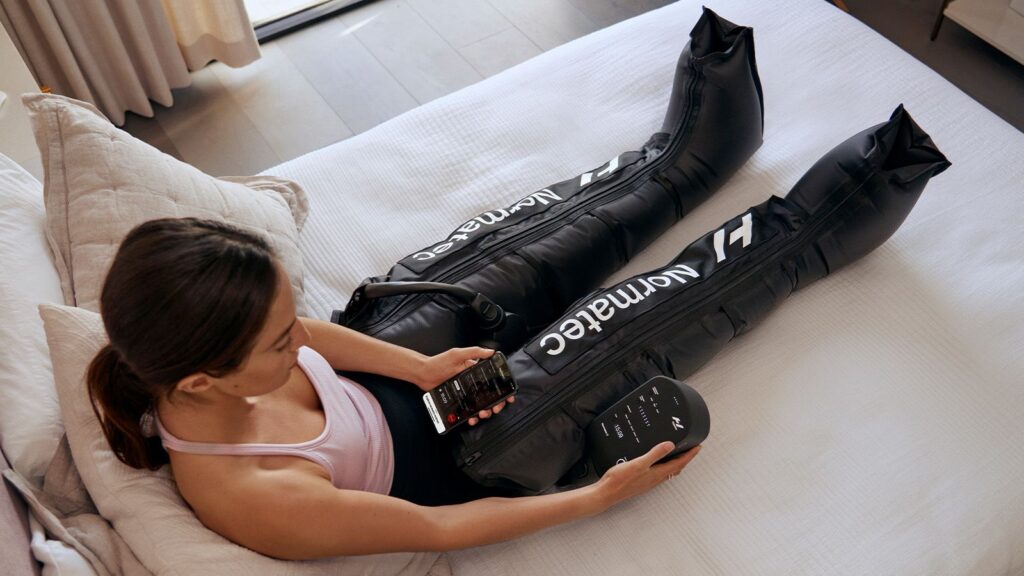
Compression boots, water immersion, and contrast therapy don’t dramatically shift inflammatory profiles, but they excel at lymphatic return and perceptual recovery. Their effect is mechanical rather than molecular, enhancing venous flow and reducing local edema.
For stem-cell clients, these tools are valuable between higher-intensity interventions: they sustain circulation, reduce secondary inflammation, and promote parasympathetic dominance without adding systemic stress.
Integrating the ROI Index
| Modality | Stem-Cell Support Function | ROI Category |
|---|---|---|
| Massage | Improves mitochondrial turnover & microcirculation | 🏆 High-Value |
| Cold Exposure | Enhances MSC homing & survival | 🏆 High-Value |
| Sauna | Boosts MSC resilience | 🏆 High-Value |
| Red Light | Promotes MSC proliferation & paracrine signaling | 🏆 High-Value / 🎯 Specialty |
| HBOT | Improves stem cell proliferation | 🎯 Specialty |
| Compression / Contrast | Supports circulation & parasympathetic recovery | 💭 Perceptual |
(Data synthesized from Dupuy et al., 2018; Crane et al., 2012; Pournot et al., 2011; Brunt et al., 2018; Hamblin, 2017; Zhang et al., 2025)
How to Prescribe Recovery
“The same modalities that speed muscle recovery also build the biological scaffolding that stem cells depend on.”
In regenerative medicine and performance therapy, the biggest challenge isn’t knowing what works, rather it’s knowing when and for whom it works. Every athlete, executive, or patient arrives with a different physiological baseline: one dominated by fatigue, another by stress, another by inflammation. Without a framework, recovery plans become noise: expensive modalities layered without logic.
The Recovery ROI Index was built to quiet that noise. It organizes the recovery ecosystem into measurable, actionable intelligence anchored by two truths:
- Biology rewards consistency more than novelty.
- The right modality, at the wrong time, delivers less impact
When we adopt this structure, recovery transforms from a guessing game into a decision system grounded in physiology, practicality, and timing.
The Recovery ROI Logic Model
At its core, the Index follows a two-dimensional logic grid. Recovery ROI Index:
Effectiveness (E) × Practicality (P) = Return on Implementation (ROI)
- E (Effectiveness) = How much physiological change it creates (inflammation, HRV, energy, repair).
- P (Practicality) = How likely the client can repeat it (cost, access, time, equipment).
The goal is not to chase the highest E, but to maximize E × P. The combination that drives sustainable adherence and biological benefit.
This is how recovery becomes both evidence-based and behaviorally anchored.
Applying the Recovery ROI Index to Stem Cell Treatment
Stage 1: Preparation (2–4 Weeks Pre-Treatment)
Goal: Reduce systemic inflammation, regulate sleep-wake cycles, and stabilize autonomic tone.
Strategy: Prioritize Foundational + High-Value modalities.
- Sleep: Treat as a biomarker, not a habit. Track duration and HRV.
- Nutrition: Emphasize anti-inflammatory micronutrients and hydration
- Zone 1–2 Conditioning: Maintain 60–70% HRmax conditioning 2-3 hours each week to enhance mitochondrial efficiency.
- Sauna (High-Value): Heat-shock preconditioning primes antioxidant defenses (Brunt et al., 2018)
- Massage (High-Value): Weekly soft-tissue work reduces IL-6 and CRP and promotes vascular flow (Crane et al., 2012)
“Lower the inflammatory noise before adding the regenerative signal.”
Stage 2: Stem Cell treatment + Acute Recovery (0–7 Days)
Goal: Protect stem cell viability, support circulation, and prevent oxidative overload.
Strategy: Shift toward Specialty modalities under supervision.
- HBOT: 1.5–2.0 ATA for 60–90 minutes improves oxygen saturation and MSC survival (Zhang et al., 2025)
- IV Therapy: Deliver antioxidants and amino acids directly to plasma.
- Red Light Therapy: 660/850 nm exposure for 10–15 minutes daily supports mitochondrial health (Hamblin, 2017)
- Breathwork: Reinforces vagal tone and stabilizes HRV during early immune activation.
“Protect the cells you paid for—oxygen, light, and relative rest are your greatest allies.”
Stage 3: Integration (1–4 Weeks Post-Treatment)
Goal: Reinforce tissue remodeling, maintain low inflammation, and reintroduce training.
Strategy: Combine High-Value + Perceptual methods with Foundational consistency.
- Zone 1–2 Conditioning: Rebuild aerobic base and circulation for tissue oxygenation.
- Cold Plunge (High-Value): Use 2–3x per week to manage inflammation without suppressing adaptation (Pournot et al., 2011)
- Massage or Cupping (High-Value/Perceptual): Maintain lymphatic flow, reduce tissue stiffness
- PEMF or Float Therapy (Specialty/Perceptual): Low-stress neuromodulation to deepen parasympathetic recovery.
“Integrate. Don’t escalate. Healing is strength without friction.”
Decision Tree: Matching Modality to Need
| Patient Profile | Physiological Priority | Recovery ROI Focus | Example Stack |
|---|---|---|---|
| High Stress | Autonomic down-regulation | Foundational + Perceptual | Sleep hygiene + breathwork + Float Tank |
| Pre-Stem Cell | Cytokine reduction | Foundational + High-Value | Sauna + Massage + Cold Plunge |
| Post-Stem Cell | Oxygenation, mitochondrial repair | Specialty | HBOT + Red Light + IV |
| Chronic Fatigue | ATP production, parasympathetic reset | Specialty + Foundational | PEMF + Zone 2 + Nutrition |
| Performance | Controlled stress reintroduction | High-Value + Foundational | BFR + Conditioning + Sauna |
This decision tree acts as a quick-reference lens for any clinician designing regenerative recovery programs.
3 Misconceptions & Pitfalls
- Over-Reliance on Specialty Tools: High-tech does not mean high-return. Without the Foundational layer of sleep, breathwork, and nutrition, the cell therapies lose efficacy.
- Over-Suppression of Inflammation: Chronic inflammation is harmful, but total elimination blunts the signaling needed for repair (Peake et al., 2017; McPhee & Lightfoot, 2017)
- Neglecting Consistency: Even the most powerful modality is ineffective if sporadic.
Summary & Key Takeaways
- Recovery ROI Index = Evidence × Accessibility: A model for matching science with real-world adherence.
- Inflammation Control = Environment Control: Stem-cell efficacy depends just as much on the body’s terrain as the cells themselves.
- Education Creates Adherence: Clients who understand ROI metrics are more likely to repeat behaviors that matter.
- Foundations First: Sleep, nutrition, breathwork, and movement account for most of the recovery return.
- Reassess Quarterly: Recovery strategy is a living document, not a one-time prescription.
FREE DOWNLOAD!
Not sure what recovery tool to choose when?
Check out the complete Recovery ROI Index to review 20 of the most common choices!
Read More Like This
Related Podcasts
References
Ahokas, E., Kyröläinen, H., Mero, A., Walker, S., Hanstock, H., Ihalainen, J., & Ihalainen, J. (2020). Water immersion methods do not alter muscle damage and inflammation biomarkers after high-intensity sprinting and jumping exercise.European Journal of Applied Physiology, 120(12), 2625–2634. https://doi.org/10.1007/s00421-020-04481-8
Best, T. M., & Crawford, S. K. (2016). Massage and postexercise recovery: The science is emerging. British Journal of Sports Medicine, 51(18), 1386–1387. https://doi.org/10.1136/bjsports-2016-096528
Brunt, V. E., Wiedenfeld-Needham, K., Comrada, L., & Minson, C. T. (2018). Passive heat therapy protects against endothelial cell hypoxia‐reoxygenation via effects of elevations in temperature and circulating factors. The Journal of Physiology, 596(19), 4181–4190. https://doi.org/10.1113/jp276559
Crane, J. D., Ogborn, D. I., Cupido, C., Melov, S., Hubbard, A., Bourgeois, J. M., & Tarnopolsky, M. A. (2012). Massage therapy attenuates inflammatory signaling after exercise-induced muscle damage. Science Translational Medicine, 4(119), 119ra13. https://doi.org/10.1126/scitranslmed.3002882
Da Costa Santos, V. B., Corrêa, J. M., Chierotti, P. M., Ballarin, G. T., De Oliveira Toginho Filho, D., Nakamura, F. Y., & De Paula Ramos, S. (2018). Cold water immersion or LED therapy after training sessions: Effects on exercise-induced muscle damage and performance in rats. Lasers in Medical Science, 33(7), 1495–1503. https://doi.org/10.1007/s10103-018-2689-0
Da Silva, I. R., Schipper, L. L., De Lira, F. S., Kiefer, T. L., Romão, P. R. T., Dorneles, G. P., & Peres, A. (2025). Effect of photobiomodulation on monocyte dynamics and cytokine levels following plyometric exercise in physically active men.Lasers in Medical Science, 40(1), 135–145. https://doi.org/10.1007/s10103-025-04386-y
Dupuy, O., Douzi, W., Theurot, D., Bosquet, L., & Dugué, B. (2018). An evidence-based approach for choosing post-exercise recovery techniques to reduce markers of muscle damage, soreness, fatigue, and inflammation: A systematic review with meta-analysis. Frontiers in Physiology, 9, 403. https://doi.org/10.3389/fphys.2018.00403
Hamblin, M. R. (2017). Mechanisms and applications of the anti-inflammatory effects of photobiomodulation. AIMS Biophysics, 4(3), 337–361. https://doi.org/10.3934/biophy.2017.3.337
Junjie, Z., Guo, C., Luo, L., Chen, X., Zhang, K., Liang, D., & Zhang, D. (2025). Comparison of the effects of cold-water immersion applied alone and combined therapy on the recovery of muscle fatigue after exercise: A systematic review and meta-analysis. Life, 15(8), 1205. https://doi.org/10.3390/life15081205
McPhee, J. S., & Lightfoot, A. P. (2017). Post‐exercise recovery regimes: Blowing hot and cold. The Journal of Physiology, 595(3), 903–905. https://doi.org/10.1113/jp273503
Peake, J. M., Roberts, L. A., Figueiredo, V. C., Egner, I. M., Krog, S., Aas, S., Suzuki, K., Markworth, J. F., Coombes, J. S., Cameron-Smith, D., & Raastad, T. (2017). The effects of cold water immersion and active recovery on inflammation and cell stress responses in human skeletal muscle after resistance exercise. The Journal of Physiology, 595(3), 695–711. https://doi.org/10.1113/jp272881
Pournot, H., Bieuzen, F., Louis, J., Fillard, J. R., Barbiche, E., & Hausswirth, C. (2011). Time-course of changes in inflammatory response after whole-body cryotherapy multi-exposures following severe exercise. PLoS ONE, 6(7), e22748. https://doi.org/10.1371/journal.pone.0022748
Tomazoni, S. S., Leal-Junior, E. C. P., Pallotta, R. C., Teixeira, S., Almeida, P., & Lopes-Martins, R. A. B. (2016). Effects of photobiomodulation therapy, pharmacological therapy, and physical exercise as single and/or combined treatment on the inflammatory response induced by experimental osteoarthritis. Lasers in Medical Science, 32(1), 101–108. https://doi.org/10.1007/s10103-016-2091-8
Wickenheisser, V. A., Zywot, E. M., Rabjohns, E. M., Lee, H., Lawrence, D. A., & Tarrant, T. K. (2019). Laser light therapy in inflammatory, musculoskeletal, and autoimmune disease. Current Allergy and Asthma Reports, 19(10), 45. https://doi.org/10.1007/s11882-019-0869-z
Wilson, L. J., Dimitriou, L., Hills, F. A., Gondek, M. B., & Cockburn, E. (2018). Whole body cryotherapy, cold water immersion, or a placebo following resistance exercise: A case of mind over matter? European Journal of Applied Physiology, 119(1), 135–147. https://doi.org/10.1007/s00421-018-4008-7
Zhang, R., Guo, H., Tang, S., Zuo, J., & Shi, X. (2025). Effect of hyperbaric oxygen therapy on postoperative muscle damage and inflammation following total knee arthroplasty: A randomized controlled trial. Scientific Reports, 15(1), 6223. https://doi.org/10.1038/s41598-025-06223-2